Bibhav Acharya, MD
What I do, and how I got here.
I am a professor testing practical ideas to address domestic violence, mental health, and chronic diseases in places that don’t have enough doctors, a psychiatrist seeing patients in San Francisco, and a co-founder scaling up global health solutions since 2006, administering over $40 million to build hospitals and health systems, and handing them over to local government.
I am based at the University of California, San Francisco, where I run a fellowship in global mental health focused on Navajo Nation and Nepal.
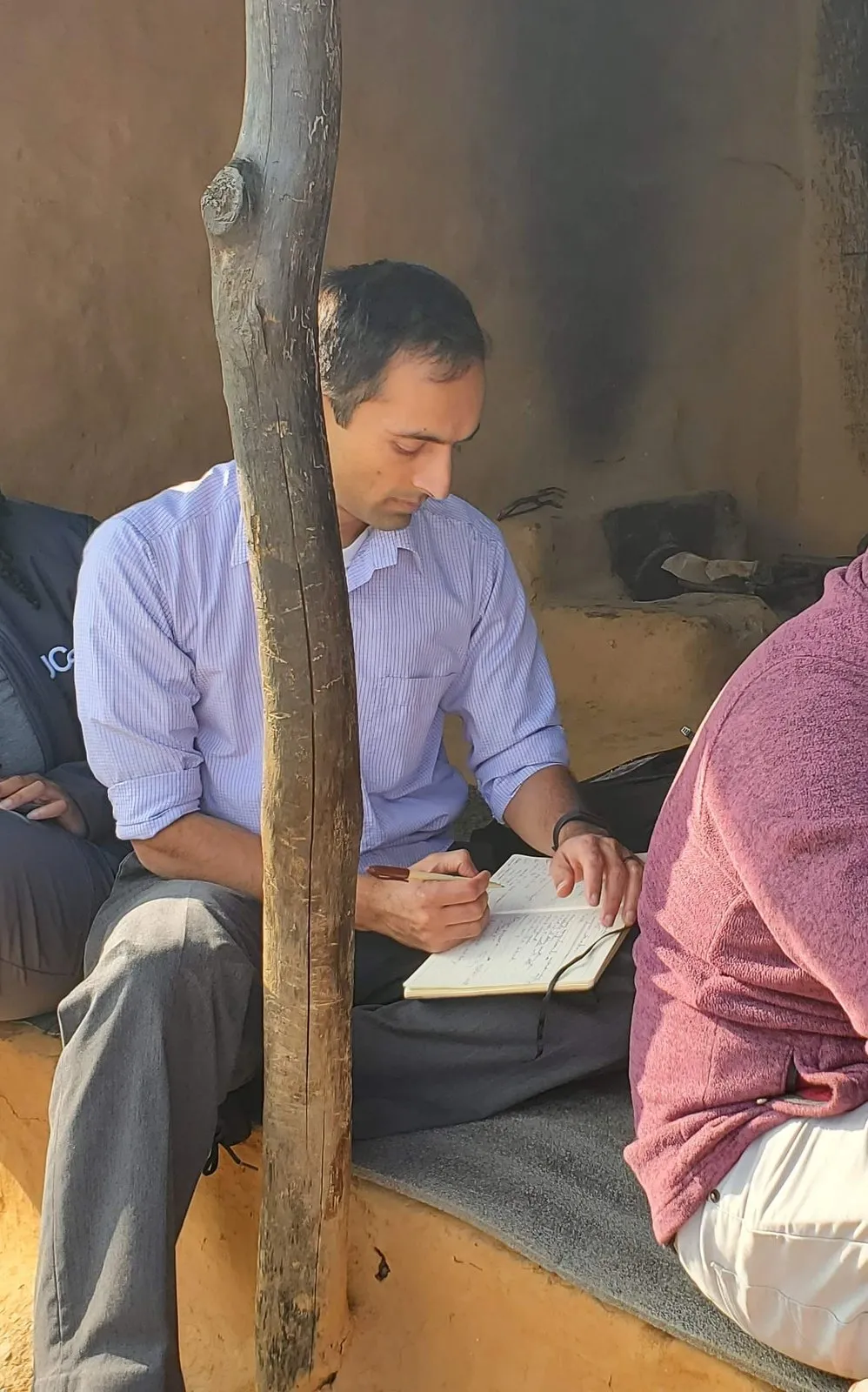
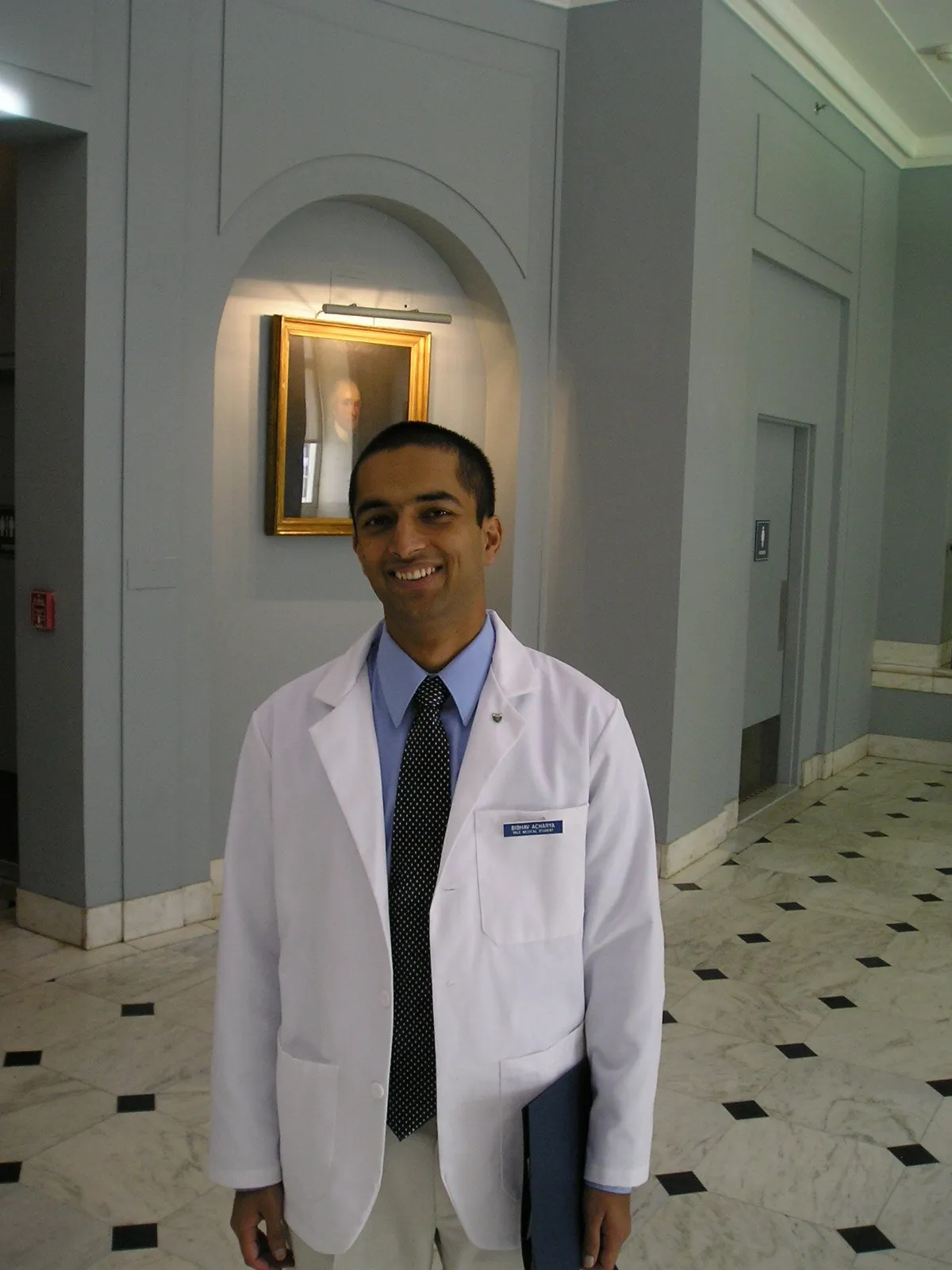
Before that, I was at Yale School of Medicine, where I received my MD on a full scholarship. On the first day, they asked us to write down the specialty we were most and least interested in. I wrote down psychiatry at the bottom. Three years later, I was awed by the transformative impact of carefully deployed mental health care, and decided to become a psychiatrist. I was fortunate that Yale gave us the flexibility to build our nonprofit Possible in Nepal, alongside learning to be a doctor in New Haven.
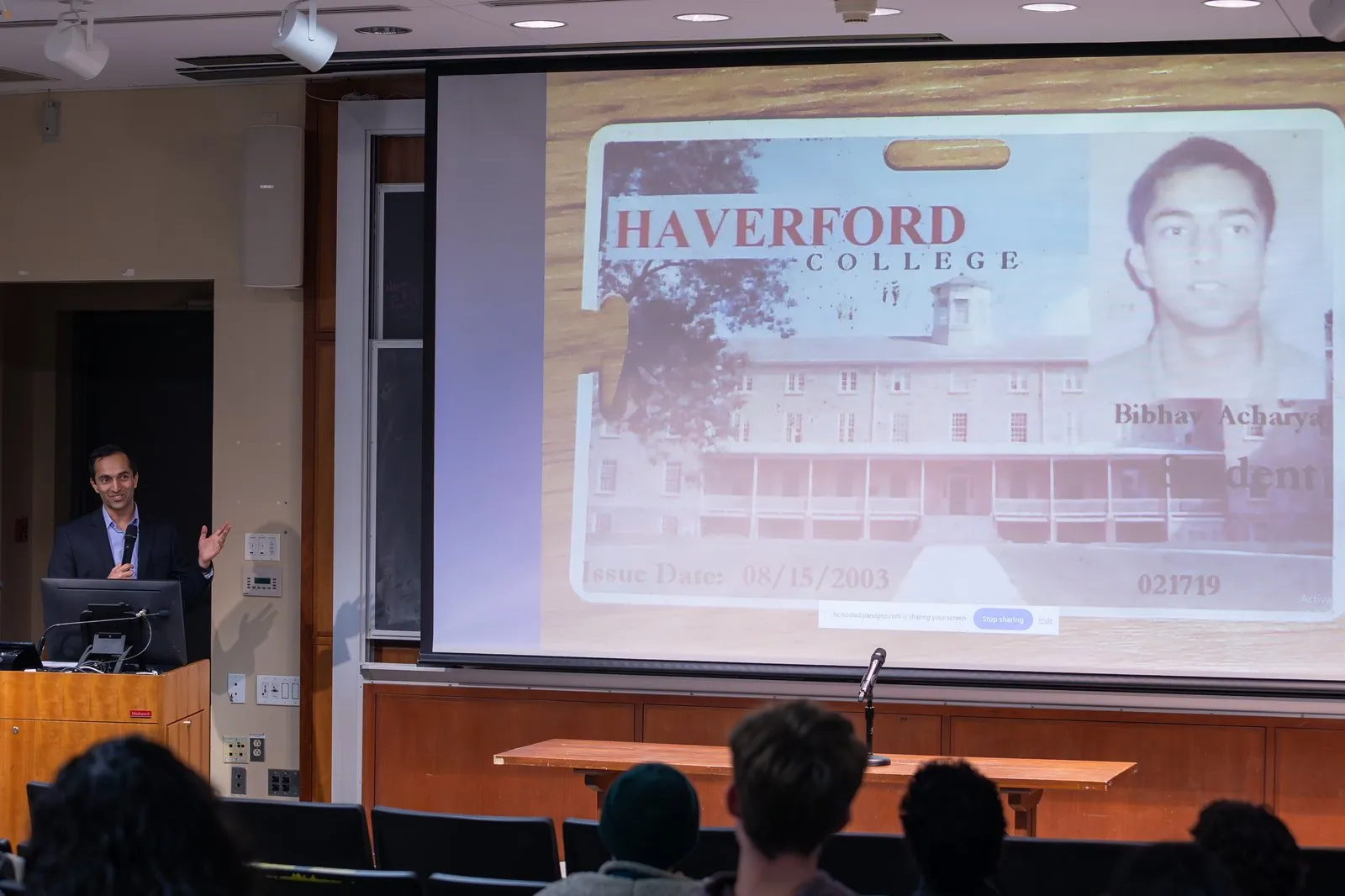
Before that, I was at Haverford College, where I majored in Chemistry while learning public health and anthropology. I volunteered for nonprofits during the summer, but became disillusioned by how much they seemed to focus on what was popular rather than problems that were causing immense suffering. Thankfully, my college professors didn’t let those sour experiences turn into nihilism. They forced me to imagine what a problem-focused nonprofit looks like, so I could someday build one.
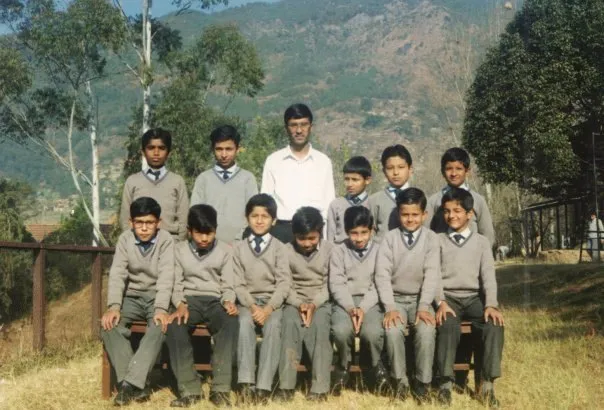
Before that, I was at Budhanilkantha School, a national magnet boarding school owned by the Nepali government. I entered in 4th grade and received a world-class education through high school. While my hometown was an 8-hour bus ride away, I had friends who took a 30-hour bus ride and walked for 6 more hours to get home. My school planted the seed that education wasn’t just a way out of poverty but an important tool for service.
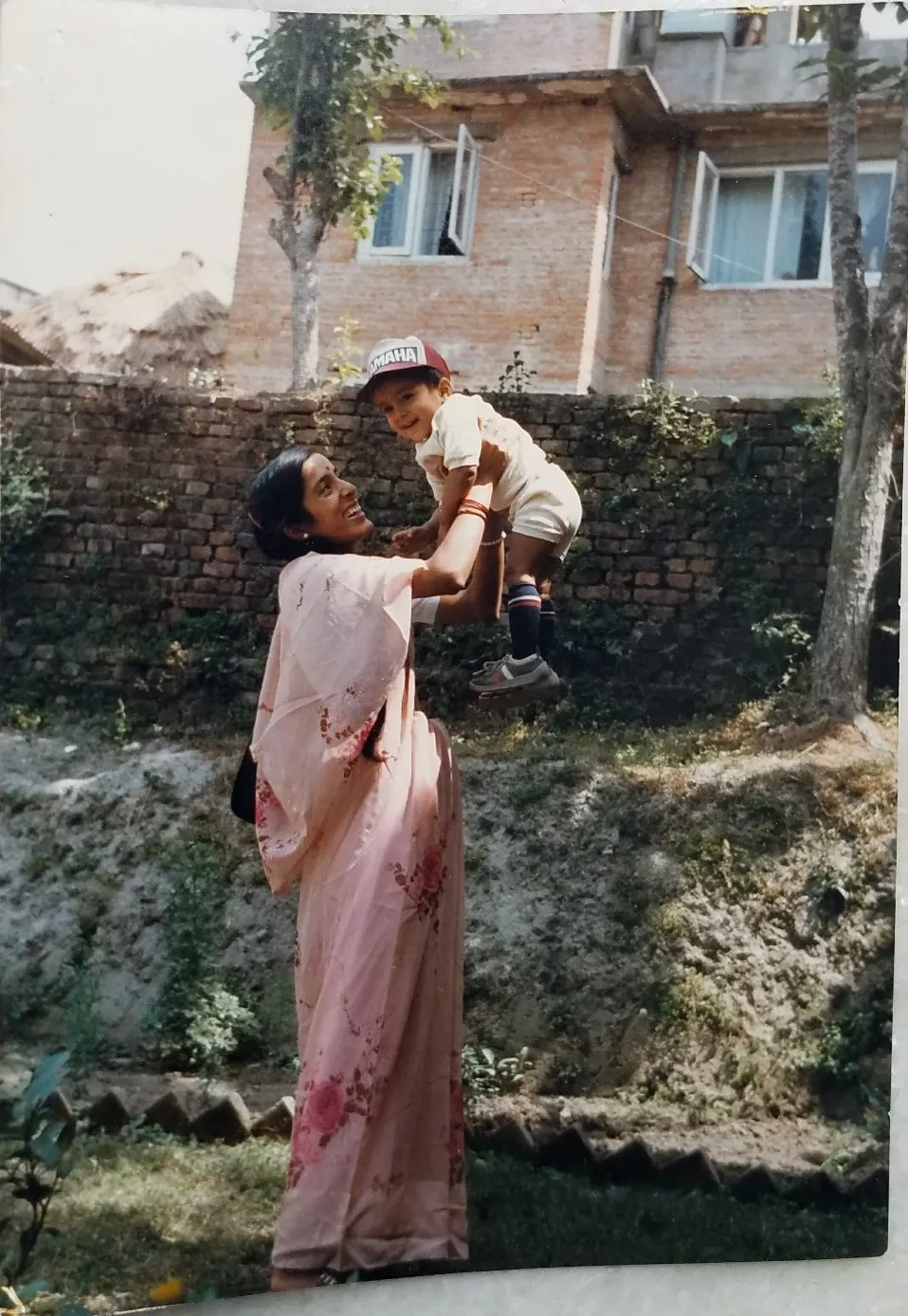
Before that, I was a seven-year-old boy in Nepal studying to get into that boarding school, always encouraged by my dad and with the best tutor in the world.
She had aced every math test in school and tutored her siblings and friends who went on to become engineers at top schools and firms worldwide.
While my schoolteachers wanted me to memorize textbooks, she explained the logic behind how things worked, and patiently answered my every “why” question.
While her teachers had dreamed she would be a professor, she was a homemaker, channeling her brilliance and patience to me, preparing me to ace the nationwide entrance exams that set me on the path to where I am today.
Thank you, mamu, for lifting me up.